




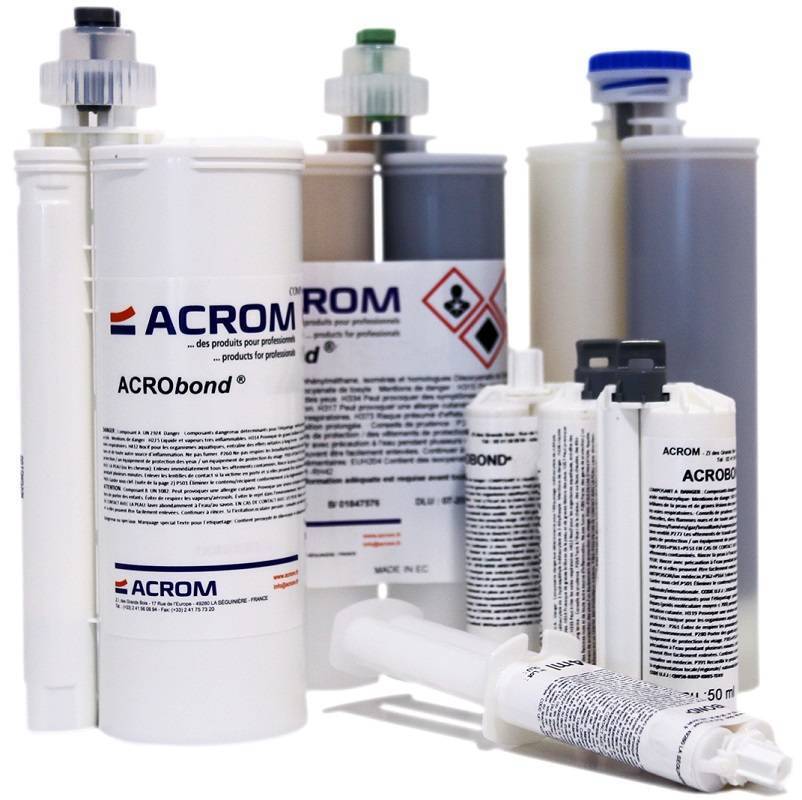
ACROBOND AS212/3
Acrylic glueProduct code : AS212/3
Applications
Fast, high-performance and durable adhesive for inserts and various mechanical attachments (clips, hinges, etc.) in composite applications. Thixotropic adhesive with very low odour is particularly suitable for all assembly and assembly work; It can be used on raw metal supports, either directly or after prior application of Acrobond® PR 2M primer depending on the level of performance sought, particularly on aluminum, stainless steel, copper or brass. Adhesive that can be used on many materials such as duroplasts, composites, polyester laminates or rigid thermoplastics such as MMA, ABS, PC, PET, PUR, rigid PVC, acrylics, etc. with the exception of polyolefins such as PE, PP, TPE, etc. In general, prior tests are recommended, especially for non-common materials or for particularly high requirements; If necessary, please contact our technical services. 2-C glue easily applied from cartridges + static mixers.
Characteristics
Grey, semi-structural, low odour
Properties
Acrylic-based, two-component structural adhesive for fast bonding, low odour
Contact us by phone : +33(2) 41 56 08 94
Characteristics
Packaging
50 ml 2-component cartridges in 10:1 mixing ratio. Other packaging on special request only
Downloads
Produits complémentaires
ACROBOND AS212/10
Acrylic-based, two-component structural adhesive for fast bonding, low odour
ACROBOND A210/5
Structural methacrylate adhesive, two-component 10:1 for fast bonding
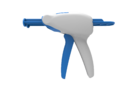
Pistolet manuel MR52-07
MR 52-07 is a PC COX SULZER manual pistol. MR 52-07 is a 50 mL / 45 mL two-component syringe applicator with a 1:1, 2:1, 4:1 and 10:1 ratio. MR 52-07 is ergonomic, very robust and easy to use. This MR50 manual dispensing system from the manufacturer PC COX SULZER allows the use of products such as ACROBOND A252TR, ACROBOND A260MP, ACROBOND A210, ACROBOND PU284 and ACROBOND A220. Other manual guns from PC COX SULZER are available for products requiring different mixing ratios.

MELANGEUR MBQX
MEDMIX's Quadro™ static mixers are specially designed to provide consistent and reliable mixing of two-component adhesives. Their innovative design, with 45° crossed mixing elements, optimizes the interaction between the two components and ensures consistent mixing quality, even in the event of viscosity differences.
News

Yet many manufacturers remain loyal to welding or bolting, holding back the acceleration of their own production rates.
Here is a breakdown of the...
Read more
The assembly of rigid thermoplastics such as polyolefins (PE, PP) and elastomers (TPE) remains a major engineering challenge. These materials are...
Read more
Improper storage is the primary cause of product degradation and consumable waste. This guide outlines the essential conservation protocols...
Read more
Choosing the appropriate packaging and maintaining optimal storage conditions guarantee the reliability and full quality of the product.
This...
Read more